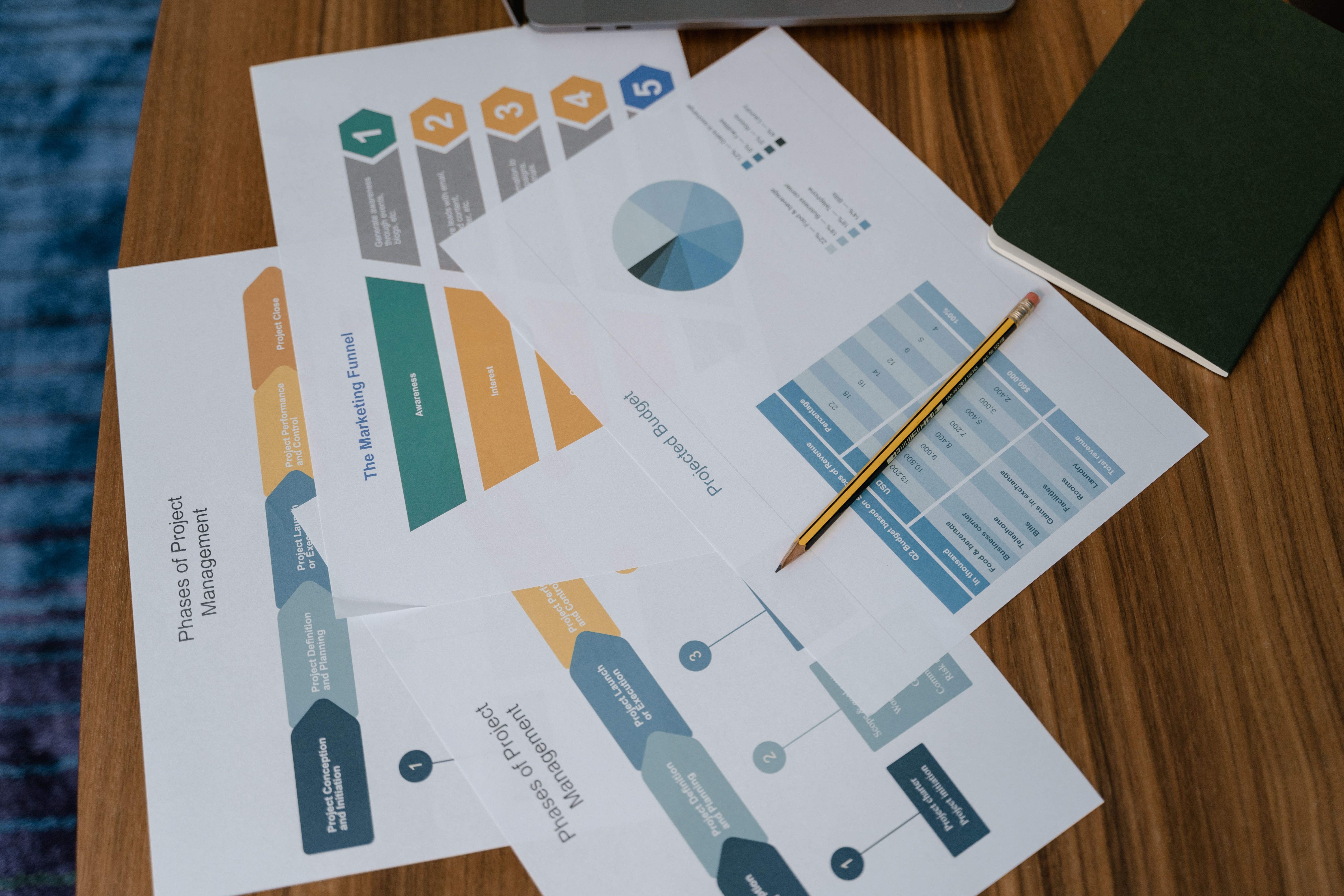
Creating proposals for clients is one of the most time-consuming processes in a software agency. On average, it takes 8–12 hours per RFP response, half of which is copying content between documents. For an agency responding to 5–10 inquiries per month, that’s 40–120 hours monthly — essentially a full-time role spent solely assembling proposals. A role that could otherwise be working on client projects.
Why It’s a Problem
On Reddit (r/agency, r/programming) and in LinkedIn CTO groups, the same scene plays out repeatedly: a client inquiry comes in, someone searches the archive for old estimates, copy-pastes the scope description from an email, swaps logos, adjusts rates, and the proposal lands with the client three days later — long after the competitor already won.
The problem isn’t that agencies can’t estimate projects. The problem is that the proposal creation process is manual, fragmented, and unrepeatable — every proposal is written from scratch with a different structure, different formatting, different pricing assumptions. Even within the same agency, proposals look different from one another, which clients immediately notice on the second engagement.
1. Estimation and Proposals Live in Separate Worlds
In a typical software agency, the tech lead or CTO handles estimation — story points, hours, technical risks. Then those numbers travel to the salesperson, who pastes them into a Word template, adds a scope description, and sends a PDF.
Where does the error occur? In the translation between estimation and proposal. The tech lead thinks in terms of technical complexity. The client thinks in terms of business value. A proposal written in developer language doesn’t resonate with the decision-maker on the other side. A proposal written in sales language doesn’t reflect the actual work involved.
2. Every Proposal Means Manually Rewriting the Same Blocks
Team descriptions, case studies, methodology, standard SLA, payment terms — these blocks repeat in every proposal. In 90% of agencies, these blocks live in a “Templates” folder on Google Drive. Every new proposal means opening an old one, copying fragments, and risking leftover logos from the previous client.
Research shows that manually rewriting the same content accounts for 40–60% of proposal creation time. 73% of companies admit their proposals lack consistency across departments (RFPIO Benchmark Report, 2025).
3. No Repeatability = No Data to Analyze
When every proposal looks different, you can’t compare win rates across project types, client segments, or scope ranges. You don’t know which sections of your proposal work and which don’t. Pricing decisions are based on gut feelings, not data.
How to Fix It
The solution isn’t one tool — it’s a process change. Here are concrete steps that work in real agencies.
Step 1: Build a Component Library (Not Templates)
A proposal template isn’t enough. You need a library of reusable components: service descriptions, case studies, team profiles, references, terms of engagement, legal clauses. Each component has versions for different segments (startup vs enterprise, fixed price vs T&M).
Why it works: Instead of starting from scratch, you assemble proposals from proven, vetted blocks. You eliminate the risk of typos, inconsistencies, and forgotten sections. Updating one component (e.g., refreshing a case study) propagates across all proposals automatically.
Watch out: A component library requires maintenance. Set a quarterly review cycle and assign ownership. Outdated case studies hurt credibility more than missing ones.
Step 2: Connect Estimation to Proposal Generation
Project estimation and the client-facing proposal are two views of the same data. Instead of copying numbers from a spreadsheet into a document, integrate the two processes.
In practice: when the tech lead estimates a project (story points, hours, dependencies), the system automatically converts those into pricing ranges, generates a technical scope description, and proposes a timeline. The salesperson doesn’t manually map estimates to the proposal — they focus on framing the narrative and justifying the value.
Why it works: You remove human error in the estimate-to-proposal pipeline. The client receives a proposal that’s consistent with the actual technical estimate, not someone’s interpretation. You also gain transparency — you can show the client exactly where the price came from.
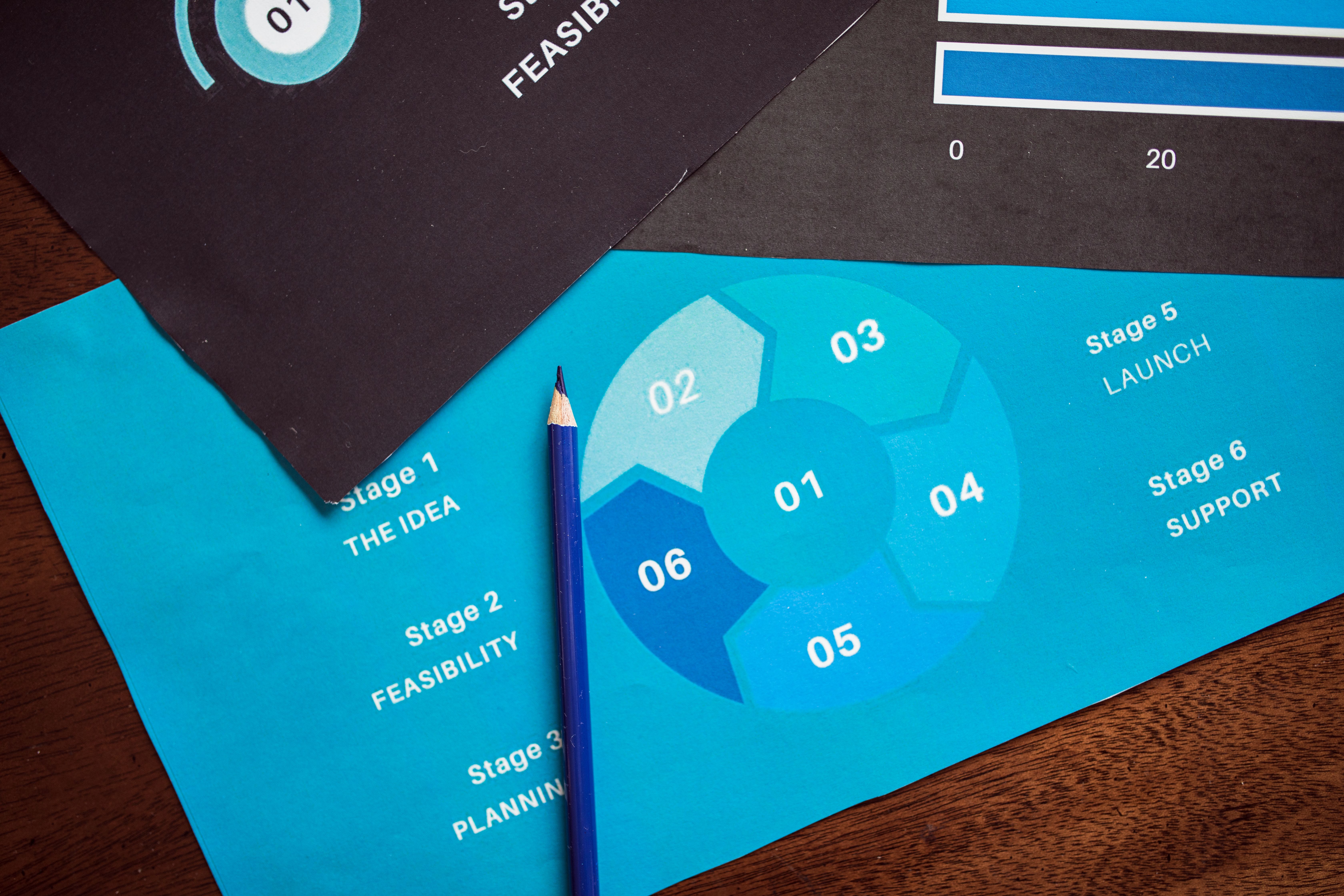 Proposal automation turns scattered spreadsheets and templates into a structured, repeatable process
Step 3: Implement a Sanity Check Before Sending
Before a proposal reaches the client, it should pass automated validation: Are all sections filled in? Do the numbers add up? Is the technical scope consistent with the timeline? Is the margin within target thresholds?
A real agency that implemented such a check caught three proposals in the first month where the price was below cost. They would never have noticed manually because each proposal was prepared by a different person.
Why it works: Instead of relying on “someone will check before sending,” you have a hard quality gate. Errors are caught before the client finds them. A client receiving a consistent, well-thought-out proposal is 30% more likely to accept (internal Apropo data, 2025).
Step 4: Measure and Optimize
After implementing automation, collect data: which project types have the best win rate, which proposal sections get read most, how long each proposal takes to prepare per segment.
After one quarter, you have hard data to optimize. After six months, you have a competitive advantage — because competitors are still sending manually assembled PDFs.
Where Apropo Comes In
Exactly at the intersection of Step 2 and Step 3. Apropo connects project estimation with interactive web-based proposal generation in one tool. The tech lead estimates in the panel, and the proposal builds itself — with live pricing that the client can modify (add/remove components, switch variants).
The sanity check in Apropo verifies data consistency before sending: Is the technical scope complete? Does the price match the estimate? Is the margin within targets? It’s like automated tests for your sales process — catching errors before they reach the client.
Summary
Proposal automation for IT services isn’t a luxury — it’s a scaling mechanism. When you’re handling 2–3 inquiries per month, manual proposals are fine. When you cross 5–10, manual assembly eats the time you could spend on product development or client relationships.
Key takeaways:
- Build a component library — not a template, but modules
- Connect estimation with proposal generation — same data model, two views
- Implement a sanity check before sending — quality gate, not last-minute edits
- Collect data and optimize — data-driven proposals beat gut-feel proposals every time
The question isn’t whether to automate. The question is whether your competitor already has.